All standards
Reading: Informational Text3rd Grade
RI.3.10
By end of the year, read and comprehend informational texts at the high end of the grades 2-3 text complexity band.
For parents
Encourage reading nonfiction about topics your child loves — science, animals, history, sports.Free sample questions
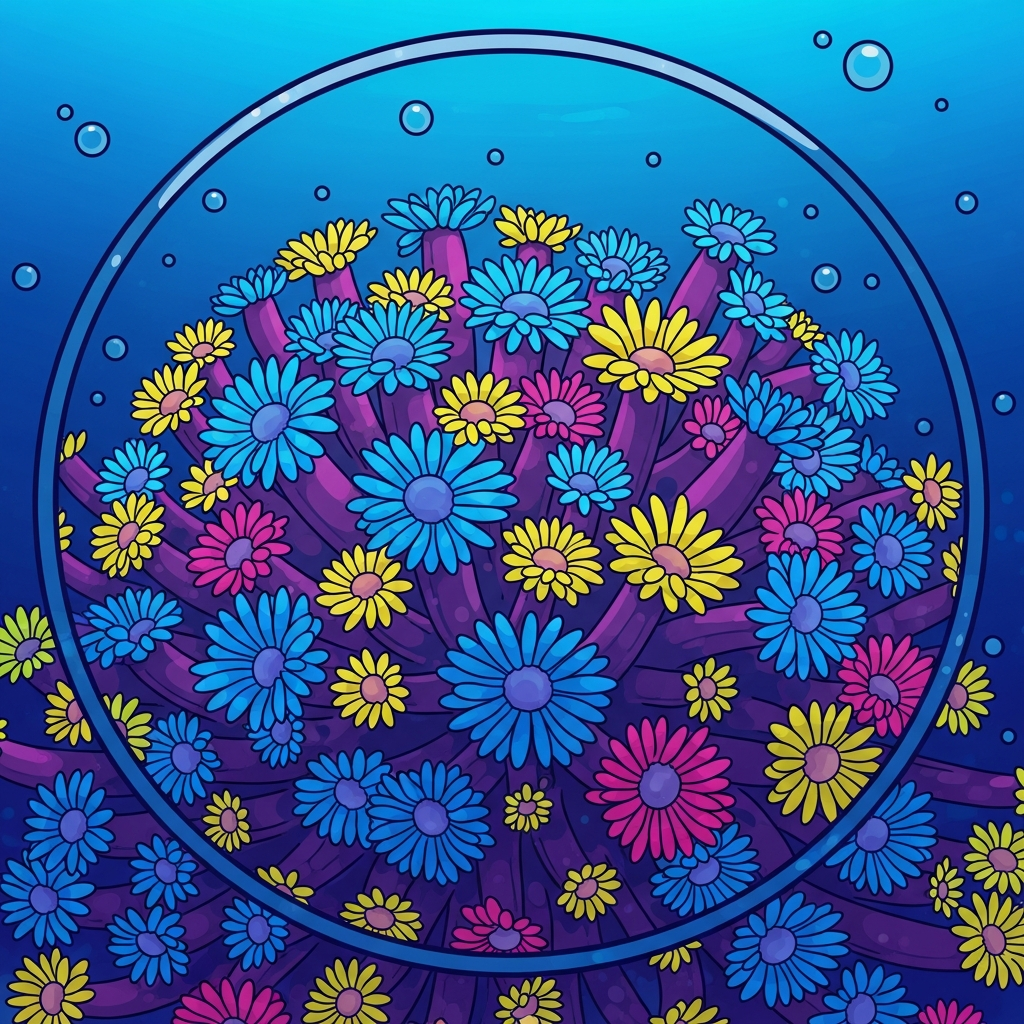 Question 1Reef-building corals are tiny animals called polyps. They make hard skeletons. Over time, these skeletons build up to form a reef’s structure. According to the passage, how do coral polyps help form a reef?
- They protect the fish living in the reef.
- They are the tiny organisms that create the reef’s structure.
- They make the reef visible from far away.
- They move stones into a long line.
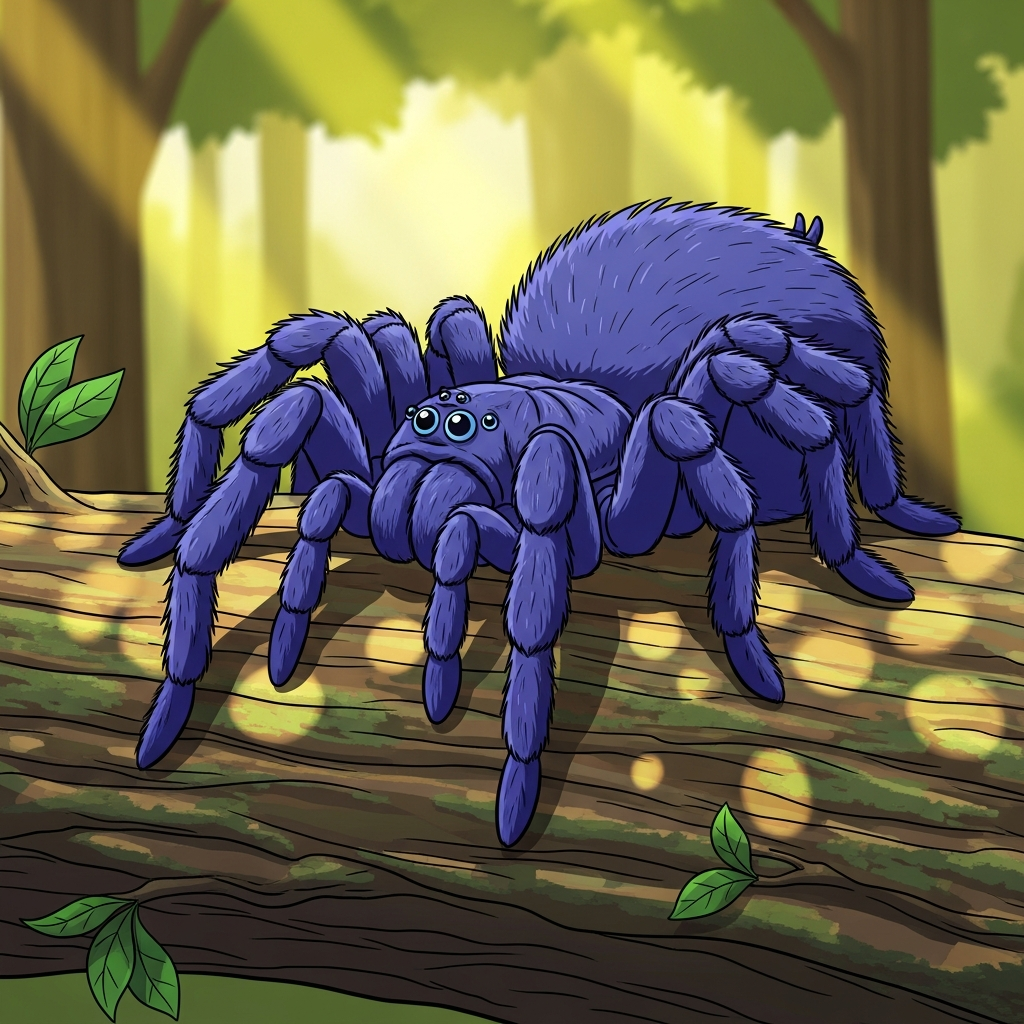 Question 2Tarantulas do not use prey-catching webs. They catch insects and small animals by ambushing or chasing them. They do use silk, for example to line a burrow. Though they may look frightening, most have venom about as strong as a bee’s. That does not mean they cannot hurt a person. What surprising contrast does this text describe?
- The text describes most as less dangerous than their appearance suggests.
- They use webs to trap their prey.
- They are very small.
- They only eat plants.
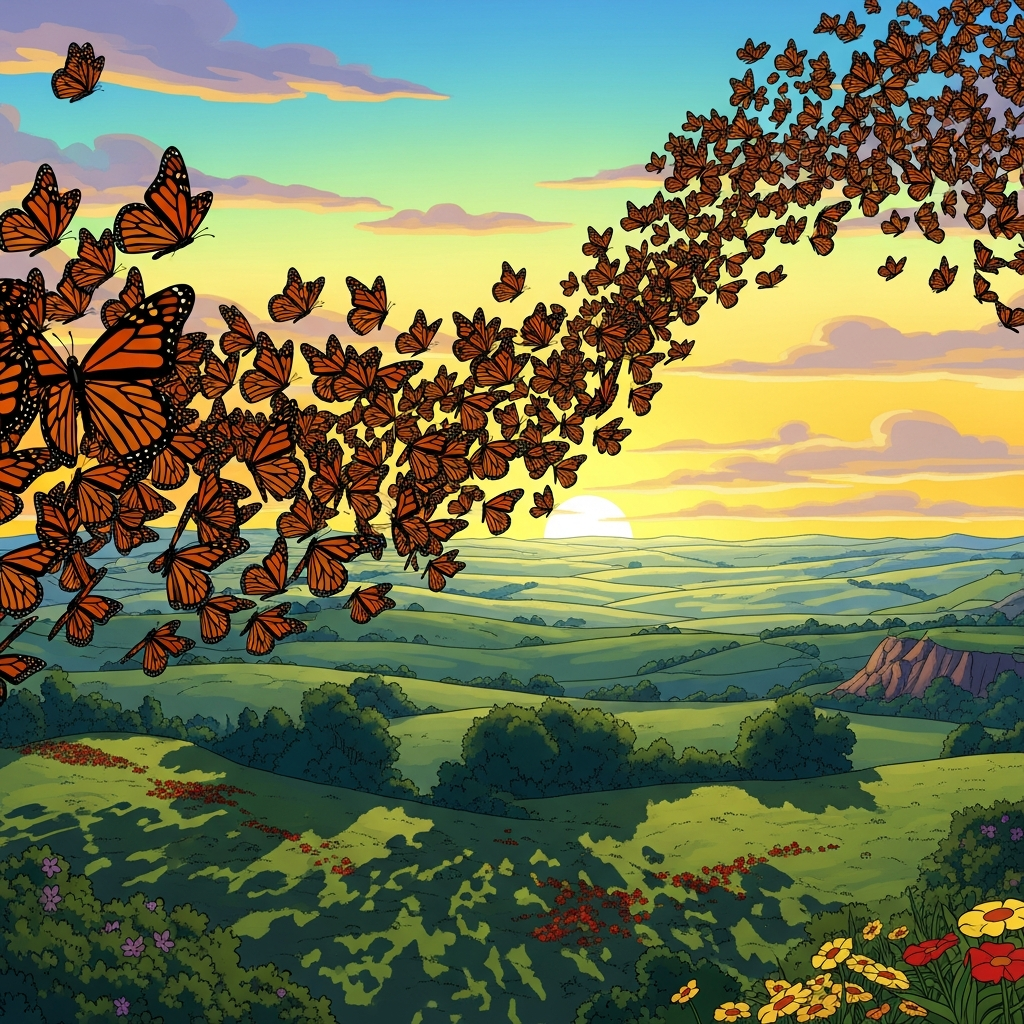 Question 3Monarch butterflies migrate up to 3,000 miles from Canada to Mexico each fall. No single butterfly makes the entire round trip — it takes multiple generations. The butterflies that fly south in fall are the great-great-grandchildren of the ones that flew north in spring. Why is the monarch migration remarkable?
- They fly very slowly
- They only travel short distances
- Multiple generations complete what no single butterfly could
- They migrate in summer
Unlock 6 more questions for RI.3.10
Readee covers all 911+ K-4 reading comprehension questions aligned to Common Core ELA, with audio read-alouds, comprehension hints, and Science-of-Reading lesson walkthroughs.